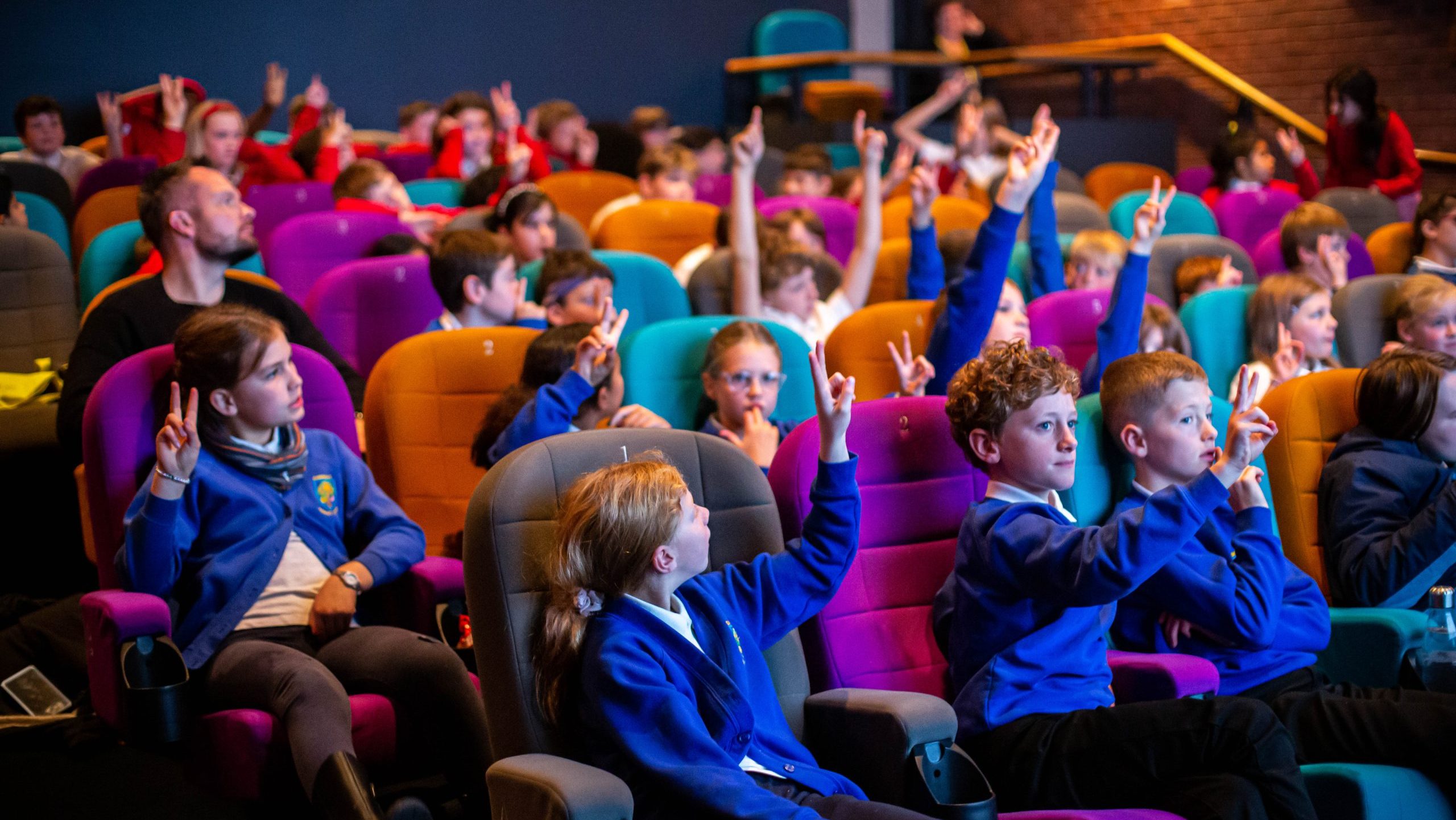
BFI FAN: Young Audience Case Studies
-
Date
7th April 2026 -
Download resource
BFI FAN’s case studies will help you navigate programming, planning and delivering events for young audiences.
Looking to engage young audiences? Kirsten Geekie, the BFI FAN Young Audience Champion, has published a series of Case Studies detailing successful young audience activity delivered by Film Hub members across the UK.
Each case study focuses on a different young audience segment and details how the organisation approached the curation, scheduling, funding and marketing of their project. The series begins with a focus on Open City Documentary Festival’s experimental programme of shorts for under 7s; programming for 0 to 3 year olds with Discovery Film Festival’s Shorts for Tinies; exciting family programming and workshops at London’s The Garden Cinema; how to re-engage with family audiences at The Ultimate Picture Palace in Oxford; and working with Young Programmers at the NI Science Festival.
Key Takeaways
Know the age of your audience
Knowing your audience underpins all successful programming. When it comes to young audiences, the most important factor is age. The Case Studies on Open City, The Ultimate Picture Palace, Discovery Film Festival, and The Garden Cinema all focus on different age ranges within the children and families segment. Discovery Film Festival realised their shorts programmes were increasingly popular with younger ages, so adapted their Shorts for Tinies to reach 0 to 3 year olds. The Ultimate Picture Palace learned from surveys that their audience was ages 4 to 8, younger than they had initially been targeting. Open City Documentary Festival recognised their experimental shorts work best for those aged 7 and under, and The Garden Cinema has learned that its family audiences are broadly aged 5 to 11 years. Getting a clear picture of your audience’s age range ensures the films screened are suitable in terms of content and certificate, but also that the type of added activity around the screening will fully engage that audience.
Pre and post activities are key
For young audiences, going to the cinema is an event. Creating an experience around a film screening – using a pre or post screening activity – not only engages young people in film. It also shows that you care about young people having a good time in that space and, in turn, builds a loyal audience. Each of these case studies explores different types of added activity that have been tailored to the audience’s age.From interactive introductions and handing out instruments and props during the screening, through to creating activity sheets and leading post-screening crafting and animation workshops, there are lots of ideas across these studies that can be recreated in your venue.
Create the right environment
As well as added activity, make sure your venue speaks to your audience. Do children and young people feel welcome? Each of these case studies highlights things venues have done to adapt the cinema environment to suit their young audience. These include introducing child-friendly snacks, having a regular host for children and family screenings, dimming the sound and turning the lights up for toddler screenings, removing trailers, and decorating the foyer.
Offer value for money
Being able to afford to come to the cinema is a driving factor across the young audience demographic. Whether it’s parents and carers buying tickets for themselves and their children, or young people being able to buy a snack with their ticket, they are all looking for value for money.